


How Deep Cryogenic Treatment Works, Step by Step
People send us parts worth thousands of pounds, so it is reasonable to want to know exactly what happens to them. This post walks through the process from the moment a box arrives in Yaxley to the moment it leaves, and explains what is going on inside the metal at each stage. It is written for engineers, racers and anyone else who wants to understand the treatment rather than take it on trust.
Step one: receiving and logging
Parts arrive by courier or are dropped off. We open every box, match the contents against the note inside and log them against your name. If anything is torqued together or has pressed in bearings we would rather remove, we will call you before going further. Bare ferrous surfaces that have arrived unoiled get a light coat so moisture cannot cause corrosion after the cycle.
Step two: loading the chamber
Parts are placed in the cryogenic chamber in a way that allows gas to circulate around them evenly. The chamber only ever contains nitrogen gas. At no point are parts exposed to liquid nitrogen. That matters because liquid contact would cool the surface far faster than the core and risk thermal shock, which is the one thing that can make a treated part worse rather than better.
Step three: the descent
The computer controlled cycle brings the temperature down slowly to approximately minus 195 degrees Celsius. Slowly is the important word. A gradual ramp means the whole part cools together, surface and core, so no stress is introduced on the way down. This is where our process differs from the quick dunk that gives cryogenics a bad name in some workshops.
Step four: the hold
The parts sit at temperature for an extended period. This is where the metallurgy happens. In steels, retained austenite left behind by heat treatment transforms into martensite, which is harder and more wear resistant. Fine carbide particles precipitate throughout the structure. Internal stresses from casting, forging, welding and machining relax. In aluminium, copper and other non ferrous metals, the crystalline structure tightens and stabilises. None of this changes the dimensions or the finish of the part. The change is internal.
Step five: the return and tempering
The chamber brings the parts back to room temperature as slowly as it cooled them. Depending on the material a low temperature temper may follow to settle the newly formed martensite. The complete cycle from loading to unloading is three days. There is no short cut and we do not offer one.
Step six: unloading, checking and returning
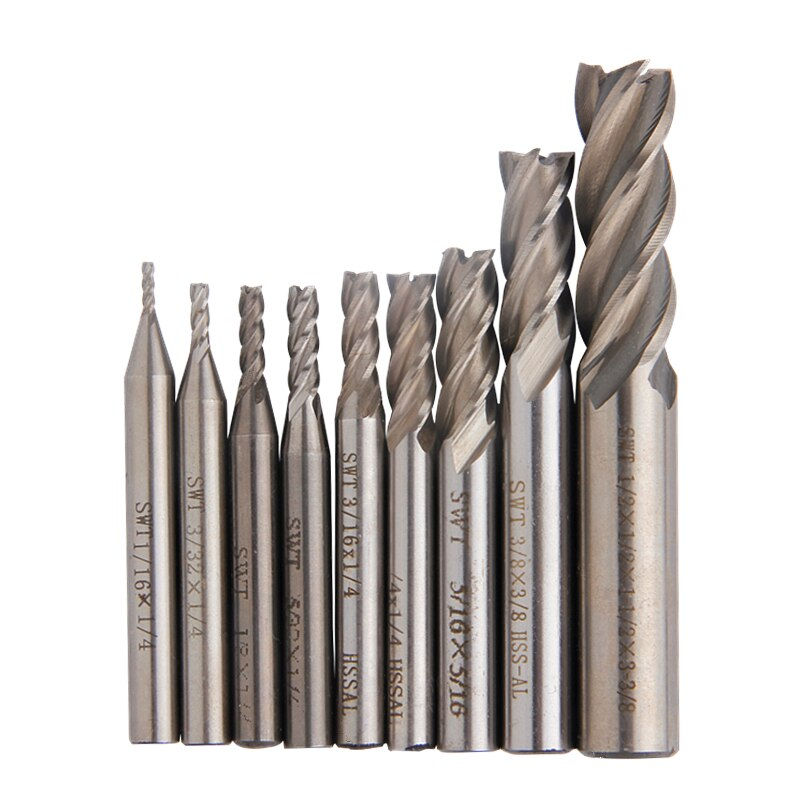
Parts come out looking exactly as they went in. We check them against the log, repack them and either hold them for collection or ship them back by the method you chose. From that point the part is permanently changed. It cannot wear off, be ground off or fade with heat, because it is not a surface treatment. A treated tool can be reground to the end of its life with the benefit intact.
What can go wrong and why it does not here
The failure stories you hear about cryogenics almost always come from one of three things: parts dunked in liquid, parts cooled too fast or parts torqued together so dissimilar metals fight each other during the cycle. The first two are process failures and our chamber design and controller rule them out. The third is a preparation issue, which is why we check every box on arrival and call you if something should come apart first.
Done properly, the process cannot make a sound part worse. It cannot fix a cracked one either, so if you suspect a part is already damaged, have it checked before you send it.
Why we run on a schedule
A full chamber uses nitrogen efficiently and keeps the price per kilogram low, so we run a process roughly every four weeks rather than on demand. The next date is always on our website and we email customers beforehand. If you have a deadline, tell us when you book.
Frequently asked questions
Why does the cycle take three days?
Slow cooling, a long hold at temperature and slow return are what prevent thermal shock and let the metallurgical changes complete. Rushing any stage reduces the benefit.
Will I be able to tell my parts have been treated?
Not by looking. They are dimensionally unchanged and visually identical. You will tell by how long they last.
Does the process work on parts that have already been heat treated?
Yes, and that is the ideal case. Cryogenic treatment completes the transformation that quenching leaves unfinished.
Can treatment be repeated?
It does not need to be. The change is permanent and runs through the whole part.
Cryogenix Ltd runs deep cryogenic treatment from Yaxley in Peterborough and takes parts from across the UK by post or in person. If you would like to see the chamber before you commit a set of parts, you are welcome to visit. Call 01296 433457 or email info@cryogenix-uk.com and we will tell you what it would cost and when the next run is.
Comments